Most conversations about DDLG clothing start in the wrong place.
They lead with costumes — the schoolgirl outfit, the onesie, the props. As if the clothes are what make the dynamic real. As if dressing the part is the same as being in the dynamic.
It isn’t.
Clothing in a DDLG dynamic isn’t costume work. It’s a tool for headspace. There’s a meaningful difference between those two things, and understanding it will change how you approach every piece of clothing you choose for your dynamic.
This guide is practical. It covers everyday pieces, lingerie, scene-specific outfits, and accessories — with specific product recommendations across each category. But it starts with the why, because Littles and caregivers who understand the function of clothing make better choices than people who are just buying what looks cute.
Why Clothing Matters in DDLG
The mainstream version of DDLG clothing — the version sold on generic costume sites — treats the clothes as the point. Put on the outfit, become the character.
That’s the Fantasy Factory version of this dynamic.
In an authentic dynamic, clothing serves something deeper. For Littles, specific pieces can function as a trigger for little space — the psychological shift into a more vulnerable, playful, unguarded state of mind. The right pajama set, the specific hair bow, the particular texture of a soft sweater — these aren’t arbitrary. They’re anchors. They carry meaning that’s been built through repetition and intention within the relationship.
For caregivers, seeing their Little dressed in pieces that belong to the dynamic reinforces their own role. It’s a visual cue. It activates the Daddy Dom or Mommy Domme headspace the same way a collar or a ritual activates any other power exchange dynamic.
This is why clothing choices in DDLG are worth taking seriously. Not because the aesthetic matters for its own sake, but because the right pieces, chosen with intention, support the psychological experience you’re both trying to create.
The wrong pieces — chosen because they looked cute or came up first in a search — don’t do that work. They’re just fabric.
With that foundation in place, here’s what actually works.
Everyday DDLG Fashion
The most sustainable DDLG clothing isn’t scene-specific. It’s the pieces a Little can wear through daily life that quietly carry the energy of the dynamic without announcing it to the world.
This matters for two reasons. First, most people don’t live in their dynamic 24/7 during scenes — they live it throughout their day, in ordinary moments. Clothing that works in normal life keeps that thread alive. Second, having a wardrobe that genuinely expresses the Little’s aesthetic makes getting dressed a ritual rather than a scramble.
What actually works for everyday DDLG fashion:
Pastel and soft color palettes do the heaviest lifting. Lavender, blush pink, mint, butter yellow, powder blue — these colors read as soft and innocent without being costumey. They work in public without raising eyebrows.
Oversized sweaters with thigh-highs is the combination that consistently comes up when Littles talk about their favorite everyday look. The oversized piece creates a childlike, slightly swallowed-up silhouette. The thigh-highs add a subtle edge that acknowledges the adult layer of the dynamic without shouting it.
Cute pajama sets serve double duty — they work for genuine sleep wear and for cozy little space at home. Flannel or plush fabric with animal prints, stars, or simple pastel patterns are the standard.
Hair accessories are underrated as everyday markers. Bows, clips, fabric headbands, and scrunchies in soft colors are completely public-appropriate while functioning as a personal anchor within the dynamic.

A soft pastel dress with ruffle details, perfect for everyday little space wear. Lightweight fabric in blush and lavender colorways. Pairs well with knee-high or thigh-high socks for a complete look.
Affiliate link - price may vary. We may earn a commission at no extra cost to you.
Soft knit thigh-highs in a curated pastel pack. These stay up properly and work with both dresses and oversized sweaters. A staple piece for any Little's wardrobe.
Affiliate link - price may vary. We may earn a commission at no extra cost to you.
Lingerie for DDLG
DDLG lingerie occupies a specific territory that generic lingerie doesn’t cover well: the intersection of cute and explicitly adult.
Standard lingerie leans into overt sexuality — lace that’s sophisticated, cuts that are immediately provocative. That aesthetic doesn’t fit the Little’s psychology. It doesn’t have the softness, the playfulness, the hint of innocence that DDLG lingerie needs.
On the other end, the aesthetic of general Little fashion is often entirely non-sexual — which doesn’t serve a DDLG dynamic where intimacy and caregiving both exist.
The sweet spot is lingerie that reads as genuinely cute while being undeniably adult. This combination does something particular: it holds both sides of the dynamic simultaneously. The Little is in little space, and the caregiver sees an adult they’re attracted to. Neither side collapses the other.
What to look for:
Babydoll cuts are the natural starting point. The A-line silhouette with a short hem references little-girl dresses while being clearly adult lingerie. Look for versions in soft fabrics — chiffon, satin, or plush — rather than stiff lace.
Pastel colorways apply here too. Blush, lavender, mint, and white all read as appropriately Little while remaining lingerie. Avoid overtly “sexy” color choices (red, black, deep purple) unless that specifically fits your dynamic.
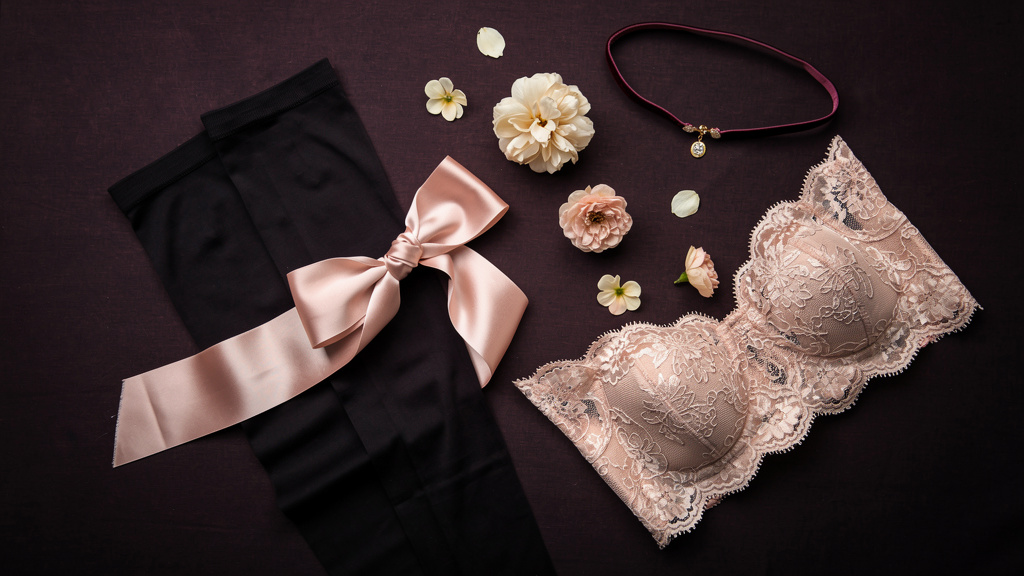
Bow and ribbon details are the most effective way to bridge cute and adult. A bow at the neckline, ribbon ties at the hips, or ribbon-edged trim all signal the Little aesthetic without infantilizing the garment.
Matching sets in soft fabrics — a short cami top with coordinating shorts or briefs — work well for Littles who find full lingerie sets too overwhelming. They’re comfortable, wearable for extended time, and feel more like adorable pajamas than costume.
Soft chiffon babydoll with ruffle hem and bow detail at the neckline. Available in blush, lavender, and white. Comes with matching panties. The A-line cut is flattering across body types.
Affiliate link - price may vary. We may earn a commission at no extra cost to you.
Short cami-style top with coordinating shorts, both in soft satin with ribbon bow details. Works as lingerie or comfortable home wear. The bow ties are adjustable for fit.
Affiliate link - price may vary. We may earn a commission at no extra cost to you.
Scene-Specific Outfits
When the dynamic moves into dedicated scene space — an agreed-upon time when the dynamic is explicitly the focus — clothing can do more specific work. Scene outfits don’t need to be subtle. They can lean fully into the aesthetic they’re serving.
This is where the more recognizable DDLG looks belong. Not as a default or everyday aesthetic, but as something that marks a transition into a particular kind of space.
Schoolgirl-style looks — pleated skirts, knee-high socks, blouses — are one of the most common DDLG scene aesthetics. The appeal is partly visual and partly about the power dynamic the aesthetic implies: the student and the authority figure, the one being guided and the one guiding. If this theme resonates in your dynamic, there’s significant range within it — from extremely subtle (a pleated skirt alone) to more explicit.
Onesies and rompers serve a different function. They’re comfort-focused, regression-forward pieces that support deeper little space. The footed pajama onesie is the archetypal Little garment, and for good reason — it’s completely enveloping, soft, and childlike without any ambiguity about the headspace it’s meant to support.
Princess and fairy aesthetics — tulle skirts, sparkle details, soft crown accessories — work for Littles whose little space identity leans toward the fantastical. These outfits support imaginative play and create a specific kind of joy that other aesthetics don’t.
Maid-style outfits adapted for DDLG combine service themes with the cute aesthetic — short skirts, aprons, and frilly details. These work particularly well when the dynamic includes domestic service or “helpful Little” themes.
Pleated plaid micro-skirt with matching bow hair clip and white blouse. Cut to fit adult proportions while maintaining the aesthetic. Size-inclusive across the range.
Affiliate link - price may vary. We may earn a commission at no extra cost to you.
Soft jersey romper with ruffle detailing and snap closure. Available in pastel pink and lavender. Specifically designed for adult sizing while maintaining a childlike silhouette. A go-to piece for little space at home.
Affiliate link - price may vary. We may earn a commission at no extra cost to you.
Accessories That Complete the Look
Accessories carry a disproportionate amount of meaning in DDLG clothing. A complete outfit is one thing — the right accessories transform it from clothes into dynamic.
Collars deserve their own category because they function differently from every other accessory. A collar in a DDLG dynamic isn’t just decorative — it’s a declaration. Many dynamics use two collar types: a day collar (subtle, looks like regular jewelry, can be worn in public without explanation) and a scene collar (more explicitly symbolic, worn during dedicated dynamic time).
The day collar is particularly worth investing in. A fine chain with a simple charm, a thin leather band, or a delicate choker can all serve as a constant, private reminder of the dynamic throughout ordinary days. The Little knows what it means. The caregiver put it there. That’s the function, and it runs deeper than the aesthetic.
Pacifiers — adult-sized, often decorative — are used by some Littles as both a comfort object and a regression anchor. They’re not universal in DDLG dynamics, but for those they resonate with, they’re significant. Modern adult pacifiers come in pastel colors with larger-than-infant shields and are clearly aesthetic objects rather than functional baby items.
Hair accessories continue to pull weight as accessories. Oversized bows, butterfly clips, fabric scrunchies, and soft headbands are low-cost, easily incorporated into daily life, and strongly anchored in the Little aesthetic.
Stuffed animals and plushies exist at the edge of clothing accessories but belong in this conversation. Many Littles have a specific comfort plushie that functions as a trigger object for little space — it travels with them, it’s present during scenes, it’s a constant in the dynamic.
A fine sterling silver chain with a small heart or lock charm. Designed to read as regular jewelry in public while functioning as a meaningful collar within the dynamic. Available in 14-inch to 18-inch lengths.
Affiliate link - price may vary. We may earn a commission at no extra cost to you.
A soft leather collar with D-ring and adjustable buckle, designed for scene wear. The D-ring serves both aesthetic and functional purposes within a dynamic. Available in black, pink, and lavender.
Affiliate link - price may vary. We may earn a commission at no extra cost to you.
Caregiver Style
Most DDLG clothing content focuses entirely on the Little — which makes sense, since the Little’s wardrobe is more explicitly dynamic-coded.
But the caregiver’s presentation matters too. Not in a prescribed or rigid way, but because the visual dynamic between a Little in their clothes and a caregiver in theirs communicates something. It reinforces the asymmetry of the relationship. It signals authority and protectiveness.
What works for Daddy Doms and Mommy Dommes tends to be simple: comfortable clothing that reads as adult and authoritative without being formal. Well-fitted jeans and a solid-color henley. A soft cardigan that carries a sense of warmth and solidity. At home, a robe worn over comfortable clothes creates a quiet sense of the caregiver’s domestic authority.
The principle is contrast. The Little is soft, small-seeming, in their specific aesthetic. The caregiver is solid, composed, adult. That contrast isn’t created by dressing up — it’s created by dressing in a way that simply communicates groundedness.
The caregiver doesn’t need a DDLG wardrobe. They need to show up looking like someone worth trusting your little space with.
Where to Shop for DDLG Clothing
Finding quality DDLG clothing requires knowing where to look. Generic costume retailers often have the right aesthetic but wrong quality — thin fabrics, poor sizing, pieces that don’t hold up.
Here are the shops we consistently recommend for DDLG clothing and accessories:
Kinkly Shop has a broad range of lingerie, accessories, and intimate items with an emphasis on education and quality. Good for lingerie, collars, and accessories. Ships discreetly.
Sexy Costume specializes in role-play outfits and lingerie. Their sizing tends to be more inclusive, and the quality is above average for the price point. Strong selection for scene-specific outfits and everyday cute pieces.
UABDSM covers BDSM accessories at accessible price points. Best for scene collars, bondage accessories, and practical dynamic items rather than fashion pieces.
For a full breakdown of our recommended shops and their strengths, see our recommended shops page.
Common Questions
Where do you actually buy DDLG clothes?
The sites listed above are reliable starting points. Beyond that, Etsy has a significant community of sellers making DDLG-specific pieces — onesies, custom accessories, and handmade items that you won’t find on mainstream sites. Search for “adult little space” or “DDLG fashion” rather than DDLG directly, as some shops use softer language to avoid platform restrictions.
Can you wear DDLG clothes in public?
Most of what’s described in the everyday section above is completely public-appropriate. Pastel sweaters, hair accessories, thigh-highs — none of this signals anything to people who aren’t looking for it. The day collar is specifically designed to pass as regular jewelry. Scene-specific outfits, by contrast, stay in the home.
What size should I order?
Role-play and scene-specific items from Asian-market retailers (which is a significant portion of the cute DDLG aesthetic market) typically run small. Order at minimum one size up from your usual size, and ideally two sizes up if you’re between sizes. Linger over the size charts rather than defaulting to your normal size.
How do I introduce DDLG clothing to my partner?
Start with conversation, not a costume bag appearing from nowhere. Talk about the dynamic first — what little space means, what triggers it, what it does for you psychologically. Clothing comes after that foundation. When you do introduce specific pieces, frame them as something that supports the experience you’ve both already agreed to explore, not as a surprise reveal.
If your partner is the Little and you’re the caregiver, asking what pieces make them feel most like themselves in little space — and then finding or gifting those pieces — is one of the most direct ways to reinforce the dynamic through clothing.
Key Takeaways
Clothing in a DDLG dynamic works when it serves the headspace — not when it performs an aesthetic for its own sake.
The Fantasy Factory version of DDLG clothing is about costumes. The real version is about anchors: pieces that reliably trigger little space, that reinforce the dynamic in quiet daily moments, that communicate something true about both people in the relationship.
Start with everyday pieces before scene-specific outfits. Invest in a day collar before a scene collar. Build a wardrobe that works in real life before building one for dedicated scenes.
Read our complete DDLG guide for the foundation of the dynamic, and our DDLG rules guide for how structure and clothing rituals can work together in a functioning relationship.
The clothes are tools. Use them like tools.